Svapomilano Charging Safety: High-Puff Devices — Field Notes
A practical reading of Svapomilano starts with the destination market. In Italy and the wider EU market, vape devices and e-cigarette hardware is subject to rules covering product notification, labelling language, nicotine statements, packaging warnings, and sales channels, and those rules are separate from the technical description of the device or liquid. This page separates the two: the first half covers the product attributes a buyer should write into an enquiry about high-puff devices, and the second half covers the documentation side. VVVapeHub does not state certification numbers, factory output, or fixed delivery windows on a general information page, because each depends on the confirmed item and route; those values appear in written correspondence with supporting evidence. The table and FAQ give you a reusable checking frame, whether you are ordering samples, preparing a retail listing, or reviewing a supplier's file for the first time.
Definition and scope
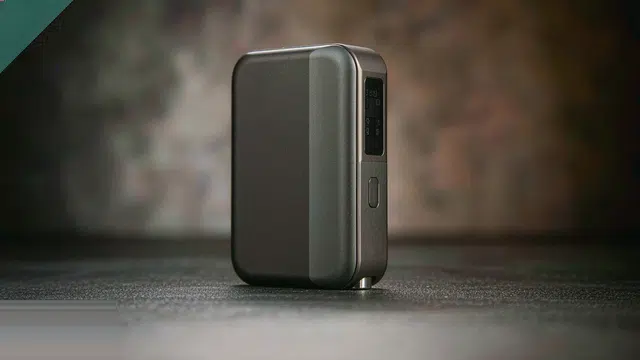
Svapomilano is used here to describe vape devices and e-cigarette hardware for Italy and the wider EU market. This page covers high-puff devices and is written as a working reference for sourcing and compliance teams rather than a sales pitch. Terms that vary between catalogues are defined in the table below.
Enquiry inputs and outputs
| Field | What to record |
|---|---|
| Intended market | Determines the rule set |
| Sales channel | Determines the pack and warnings |
| Configuration | Determines the specification sheet |
| Expected documents | Determines the file index |
| Quotation | States commercial figures in writing |
| Attachments | Specification and declarations |
Keeping a catalogue accurate
- Use one controlled vocabulary across every channel.
- Map retail names to internal formulation codes.
- Update the listing when the specification version changes.
- Keep a dated copy of live listing text and images.
- Retire old versions instead of editing them in place.
Charging Safety: what to check first
Batch identification is what turns a product description into a traceable record. A workable system links the production batch code on the outer carton to the filling or assembly record, the inspection record, and the dispatch note. When a buyer later asks a question about high-puff devices, the answer can then be traced to a specific set of records instead of a general description. VVVapeHub keeps the conversation at this level of detail: what is written on the pack, what is written in the file, and how the two are linked. Practical files also record the date of the artwork approval and the version of the specification sheet used for that batch.
Documentation view
Returns and after-sales records are easier to manage when the batch code is easy to find. For vape devices and e-cigarette hardware, agree in advance on how a query is logged: which photographs, which packaging shots, and which identifier are needed. In Italy and the wider EU market, a distributor may need to separate transport damage from a product question, and a clear batch reference makes that distinction possible. VVVapeHub asks for the carton marking and the batch code in the first message about any shipment query. Keeping the original dispatch note in the same folder shortens the back-and-forth and produces a dated record of what was actually sent.
Practical handling
Documentation for an incoming shipment normally falls into three groups: commercial papers, product declarations, and transport records. For Italy and the wider EU market, the product declarations for vape devices and e-cigarette hardware may include ingredient information, a nicotine statement, warning text, and any test reports required by the destination. The exact list depends on the classification of the item and the route, so it should be confirmed in writing for high-puff devices rather than copied from a previous order. Keep one indexed folder per shipment and name each file with the batch code and document type; this makes later questions from a customs broker or a retail compliance team much easier to answer.

Records and follow-up
Photography used in a catalogue should be traceable to the item it shows. For vape devices and e-cigarette hardware, keep the image file name, the model code, the pack version, and the shoot date together. In Italy and the wider EU market, an image that shows an earlier packaging version can create a mismatch with the current printed warnings, so re-shoot or re-label when artwork changes. For high-puff devices, a simple three-view set — pack front, pack back, and contents — covers most listing requirements. Store the original files separately from the resized web versions so that a compliance question can be answered with the full-resolution source.
Frequently asked questions
- Do you publish factory capacity figures?
- No. Capacity, output, and similar figures are confirmed in writing against a specific enquiry rather than stated as a general claim on a public page.
- How are product photos kept current?
- Tie each image to a model code and pack version, and re-shoot or re-label when the artwork changes.
- What does a compatibility matrix contain?
- Model codes, the parts or pods that fit each model, and an explicit statement for combinations that have not been tested.
- How often should compliance notes be reviewed?
- Review them whenever a destination updates its rules and whenever a product version changes. Keep a dated note of the review in the shipment file.