Svapomilano Coil Lifecycle: Pod Systems — Field Notes
Svapomilano is a search term used by buyers looking for vape devices and e-cigarette hardware in Italy and the wider EU market. This page answers the practical question behind it: what should be checked before an order is placed, which documents normally accompany a shipment, and how the product details are described in a catalogue. VVVapeHub works on vape devices and e-cigarette hardware enquiries and keeps the discussion grounded in written specifications rather than broad claims. In Italy and the wider EU market, rules on nicotine products, labelling, and retail presentation differ from other regions, so a specification sheet, an ingredient list, and a clear statement of intended market are the starting point for any conversation. Below you will find a definition of the term, a short fact table, a verification checklist, and answers to questions that procurement teams commonly raise. Nothing on this page replaces legal review of local rules; it is a working reference for pod systems discussions and for preparing an accurate enquiry.
Definition and scope
Svapomilano is used here to describe vape devices and e-cigarette hardware for Italy and the wider EU market. This page covers pod systems and is written as a working reference for sourcing and compliance teams rather than a sales pitch. Terms that vary between catalogues are defined in the table below.
Specification fields to confirm
| Field | What to record |
|---|---|
| Item format | Model code on the specification sheet |
| Nicotine statement | Printed value and unit |
| Ingredients or materials | Declaration document |
| Pack configuration | Units per carton |
| Batch identification | Code and link to records |
| Artwork version | Approved proof reference |
Five checks before an order is confirmed
- Confirm the model code and configuration in writing.
- Request the editable specification sheet and the artwork proof.
- Check that the printed warning text matches the current rule in the destination.
- Agree the carton count, marking diagram, and batch coding rule.
- Save the document index with a version number and date.
Coil Lifecycle: what to check first
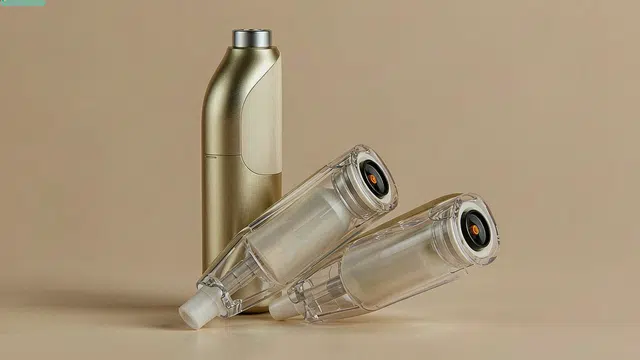
Airflow and coil construction are usually described in terms of resistance, material, and wicking, but a catalogue should avoid claiming an experience that cannot be measured. For pod systems, record the resistance range, the heating element material, and the compatible device models as factual fields. Buyers in Italy and the wider EU market often ask for a compatibility matrix so that a replacement part can be matched to the correct unit without guesswork. A matrix with model codes and a clear "not listed" column is more helpful than a long descriptive paragraph. Where compatibility has not been tested, say so explicitly rather than implying it.
Documentation view
Records are the quiet part of a workable supply arrangement. A shared file for vape devices and e-cigarette hardware normally holds the approved specification sheet, the artwork proof, the packing list format, the batch coding rule, the inspection record template, and the current document index. For Italy and the wider EU market, add a dated note of the regulations that were reviewed for pod systems. VVVapeHub refers back to this file when a repeat order is discussed, because a repeat order is only comparable when the version is the same. If something changes, issue a new version number and retire the old one rather than editing a file in place.
Practical handling
Lead time, MOQ, and price are often requested in the first message, and they are the three figures most likely to be misleading when quoted without context. For pod systems, they depend on the confirmed model, the artwork status, the packaging configuration, and the destination. VVVapeHub confirms them in a written quotation with the attached specification sheet rather than publishing a general number on an information page. If you are planning a range, share the target configuration and market in the first enquiry; that allows the written offer to state exactly which item, which pack, and which route the figures describe.

Records and follow-up
Sample handling is often where an enquiry succeeds or stalls. Before samples of vape devices and e-cigarette hardware are dispatched for Italy and the wider EU market, agree on the exact configuration, the number of units, the labelling version, and the documents that should travel with the parcel. Photograph the samples on arrival and record the batch code, then use those identifiers when giving feedback. This avoids the common situation where an approval refers to one version and the eventual order refers to another. Written sample notes are also useful later, because they form a dated record of what the buyer actually evaluated and which changes were requested.
Frequently asked questions
- How are commercial terms kept unambiguous?
- They are written into a quotation that references a dated specification sheet, an artwork version, and a named destination.
- What is the fastest way to avoid a documentation mismatch?
- Cross-check the invoice, packing list, and transport document for one model code and one carton count before dispatch.
- Can the same carton be used for different destinations?
- Only where the marking, language, and warning text are valid for each. Otherwise produce separate carton versions with separate approval records.
- Which storage guidance is provided?
- The written product documentation states the handling conditions. Align your warehouse note with that guidance and keep both versions together.