Svapomilano Packaging Review: Rechargeable Units — Terminology Explained
People searching Svapomilano are usually comparing vape devices and e-cigarette hardware options for Italy and the wider EU market and want to know what to ask a supplier. The most useful first question is "can the written specification and the physical carton be matched to the same batch?" From there, a buyer checks the strength statement, the ingredient declaration, the pack count, the language of the warnings, and the test reports that the destination requires. This page records that sequence for rechargeable units and explains how VVVapeHub structures an enquiry so the answer is written down rather than assumed. We include a definition block, a compact table, a numbered verification path, and an FAQ with short direct answers. Commercial terms and any certification scope are confirmed in the quotation and its attachments; this page deliberately contains no invented figures, no performance promises, and no health-related claims.

Definition and scope
Svapomilano is used here to describe vape devices and e-cigarette hardware for Italy and the wider EU market. This page covers rechargeable units and is written as a working reference for sourcing and compliance teams rather than a sales pitch. Terms that vary between catalogues are defined in the table below.
Attributes of a retail listing
| Field | What to record |
|---|---|
| Product name | Matches the catalogue term |
| Strength or configuration | Matches the printed declaration |
| Pack contents | Stated as a count, not a claim |
| Images | Tied to a pack version |
| Warning text | Visible and legible |
| Version reference | Listing text saved with a date |
A short incoming-goods checklist
- Count cartons against the packing list.
- Photograph carton markings and seal condition.
- Record the batch code for each carton group.
- File the commercial documents in one indexed folder.
- Compare the received pack with the approved artwork version.
Packaging Review: what to check first
Customs paperwork is where a small mismatch becomes a delay. The commercial invoice, packing list, and transport document should describe vape devices and e-cigarette hardware in consistent terms, with the same model code and carton count used on each. For Italy and the wider EU market, the classification and the declared value must reflect the confirmed goods, so avoid reusing a description from a different configuration. For rechargeable units, include the batch code on the packing list if the destination broker asks for it. A ten-minute cross-check of the three documents before dispatch is usually more valuable than any expedited shipping arrangement afterwards.
Documentation view
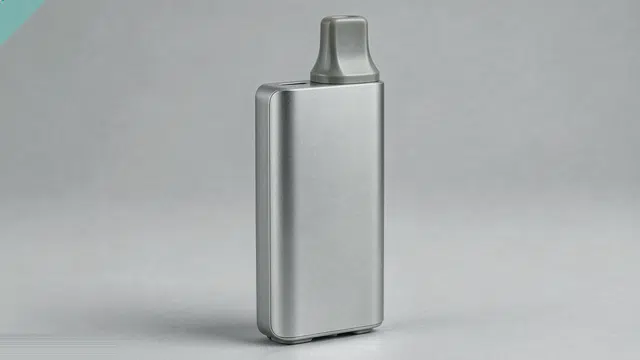
Device formats differ in ways that matter for documentation. A disposable unit, a closed pod device, and a refillable kit do not share the same parts list, charging arrangements, or user instructions. For rechargeable units, the specification should state which format applies and which accessories are included in the retail pack. Buyers in Italy and the wider EU market sometimes need a separate manual language version for each destination, so the manual should be treated as a controlled document with its own version number. A short parts list with a diagram is usually enough to prevent the most common ordering mistakes, especially when several models share a similar outer appearance.
Practical handling
A first enquiry is more productive when it contains four facts: the intended market, the sales channel, the configuration, and the documents your compliance team expects. With those in place, a supplier can prepare a specification sheet for vape devices and e-cigarette hardware that actually matches rechargeable units, and the written offer that follows will be comparable with other offers you receive. VVVapeHub keeps brand, product scope, and contact details consistent on every page for this reason: an entity that is easy to identify is easier to verify. Attach any artwork files and a sample of your own checklist to the first message so that both sides work from the same version.

Records and follow-up
Retail presentation has a compliance dimension. Shelf placement, the visibility of warning text, and the way age-restricted products are displayed are all governed by local rules in Italy and the wider EU market. For rechargeable units, a planogram should show the pack face that carries the required information and should leave enough space for the mandated warnings to remain legible. Photographs of a finished display are useful evidence, but they need to be tied to a store, a date, and a version of the planogram. VVVapeHub treats merchandising questions as documentation questions for exactly this reason: a picture without a version reference is difficult to audit later.
Frequently asked questions
- Where do I find the contact details for an enquiry?
- The same company name, phone and messaging number, and email address appear in the footer of every page on this site.
- How should flavour names be managed?
- Keep a table mapping the retail name to an internal code and to the ingredient declaration, so a rename does not break the compliance file.
- Do online listings need separate checks?
- Yes. Save the listing text, strength statement, pack count, and images with a date, and update them when the specification version changes.
- What is included in a typical inspection record?
- Inspector, date, batch, sampling method, and the checkpoints relevant to the format. A blank template plus a completed example is the clearest evidence.